Septic Inspections services in Calhoun County, AL
Septic Inspections service Experts
We deliver comprehensive septic system evaluations for real estate transactions and routine home checks, providing detailed reports on tank integrity, component health, and drain field performance.
Professional Septic Inspections For Alabama Homes And Properties
Knowing the condition of your septic system can help you make informed decisions about property maintenance, repairs, and wastewater management. Premier Septic & Well provides professional septic services for residential and commercial properties throughout our Alabama service region. Whether you are investigating recurring drainage concerns, reviewing an older installation, or checking a system before a property transaction, our septic inspection services help identify visible concerns and provide a better understanding of the system's condition.
Septic systems contain several connected components that must work together to manage household or commercial wastewater. An inspection can help bring attention to concerns involving the tank, accessible connections, distribution components, and drain field area. It can also help property owners understand whether additional evaluation, maintenance, or repairs should be considered.
Get A Better Understanding Of Your Septic System's Overall Condition
A septic inspection provides an opportunity to review the condition of an existing wastewater system and look for signs that may require attention. The inspection process considers available access, observable system components, reported symptoms, and conditions around the property. The specific scope depends on the type of system, its accessibility, and the purpose of the inspection.
Certain concerns may be visible around the tank or drain field, while other problems may require additional testing or specialized evaluation. Slow drainage, recurring backups, sewage odors, standing water, and unusually green grass over the drain field can all be reasons to investigate further.
Whether you are maintaining a home you have owned for years or evaluating an unfamiliar property, understanding what can be observed during an inspection helps you plan the next steps more confidently.
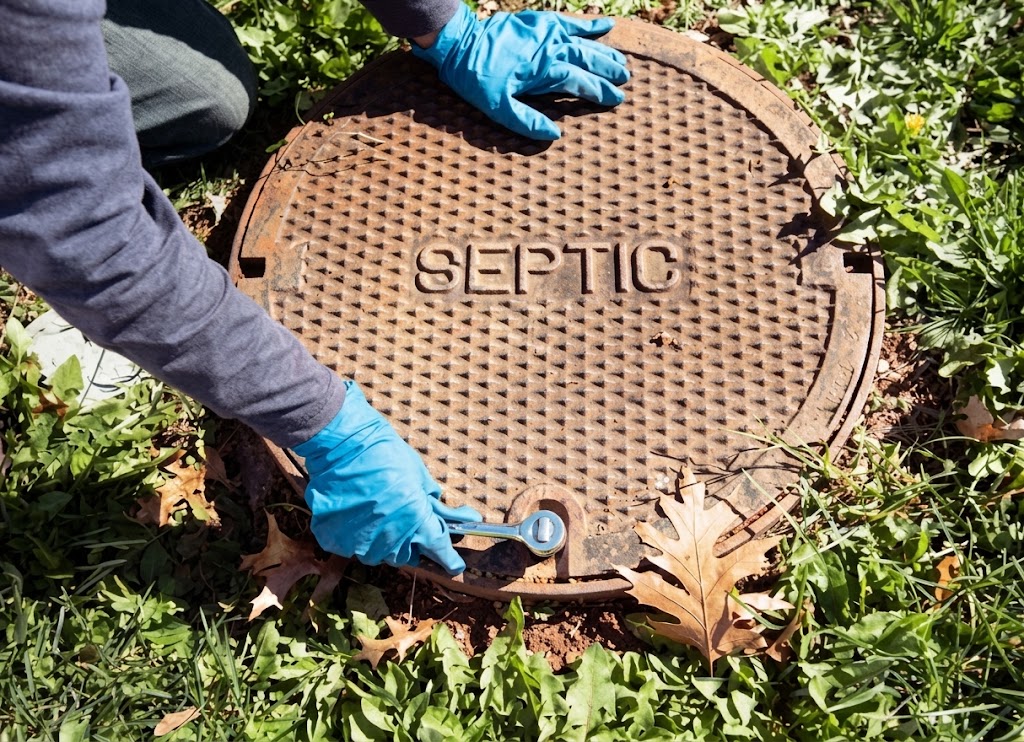
Thorough Septic System Inspection Services For Existing Installations
Every septic system has its own design, age, service history, and property conditions. An effective inspection should take these details into account instead of treating every installation the same way. Premier Septic & Well helps property owners assess septic system concerns and understand which areas may need closer attention.
-
Septic Tank Condition Review
The septic tank is an important part of the wastewater treatment process. An inspection may include reviewing accessible areas and looking for visible signs of deterioration, damage, leakage, or other concerns. Depending on accessibility and inspection scope, the tank's condition and service history can help determine whether additional maintenance or evaluation is appropriate. -
Inlet And Outlet Component Evaluation
Inlet and outlet components help control wastewater movement through the tank. Problems involving these connections or related components can affect system performance. Reviewing accessible components and investigating reported symptoms can help identify areas that may require further attention. -
Drain Field Condition Assessment
The drain field is responsible for receiving and dispersing wastewater after it leaves the septic tank. Inspection attention may include looking for unusual moisture, standing water, wastewater odors, or other visible signs that drainage may not be functioning as expected. Soil conditions, surface runoff, and property layout are also relevant considerations. -
Septic System Performance Concerns
Slow-draining fixtures, gurgling plumbing, repeated backups, and unpleasant odors can indicate that a wastewater system needs attention. These symptoms may have several possible causes. Reviewing the reported problems alongside observable system conditions helps determine whether further investigation or service should be recommended. -
Inspection For Property Buyers And Sellers
A septic inspection can be a useful part of understanding a property's existing wastewater system during a real estate transaction. Buyers may want to learn more about the system before completing a purchase, while sellers may want to understand its apparent condition when preparing a property for sale. The inspection scope and any required documentation should be confirmed before scheduling. -
Existing System Maintenance Review
Previous pumping, repairs, and service records can provide useful information about an existing septic installation. Reviewing available records alongside current observations may help identify recurring concerns, overdue maintenance, or areas that deserve closer evaluation.
Additional Septic Solutions Beyond Professional Inspections
An inspection can help property owners understand the condition of an existing septic system, but some situations require additional services. Depending on the property's needs, the system may require a new installation, component repairs, or ongoing maintenance. Premier Septic & Well provides additional septic solutions to support different stages of wastewater system ownership.
-
Septic System Design And Installation
New construction and properties requiring a replacement system need careful planning before installation begins. Design considerations can include soil conditions, property layout, wastewater requirements, available space, drainage, and applicable requirements. A properly planned installation should be suited to the specific site and its intended use. -
Septic Repairs And Maintenance
Existing septic systems may develop problems involving tanks, pipes, connections, or drainage components. Repair and maintenance services address identified concerns and help property owners keep track of the system's condition. Regular attention can also help identify developing issues before they become more disruptive.
Make Informed Property Decisions With A Professional Septic Inspection
Septic systems are often out of sight, which makes it difficult for property owners to recognize their condition without a proper review. A system may appear to be working normally while developing concerns that are not immediately obvious. An inspection can provide useful observations about accessible components and visible conditions, helping owners understand whether further investigation is necessary.
Premier Septic & Well understands the importance of having reliable information when managing an existing wastewater system. Whether an inspection is prompted by a specific concern, routine property care, or a planned real estate transaction, the findings can help guide practical decisions about maintenance and possible repairs.
Common Warning Signs That May Call For A Septic Inspection
Changes in plumbing performance and conditions around a septic system should not be overlooked. While individual symptoms do not automatically confirm a septic system failure, they can indicate that an inspection or additional evaluation is needed.
- Slow-draining sinks, showers, bathtubs, or other plumbing fixtures
- Toilets that gurgle, flush poorly, or experience recurring backups
- Sewage or wastewater odors inside the property or near the septic area
- Standing water or persistently damp ground around the tank or drain field
- Unusually green, lush, or spongy grass over the drain field
- Wastewater backing up into household plumbing
- Repeated septic concerns despite previous service
- Visible deterioration or damage around accessible septic components
These warning signs can have different causes, including plumbing problems, tank concerns, drainage limitations, or other system-related issues. An inspection can help determine what is visible, what may need further assessment, and which next steps are worth considering.
What To Expect When Having Your Existing Septic System Inspected
Understanding the inspection process can help property owners prepare for service and know what information may be useful. The exact steps depend on the system's configuration, available access, property conditions, and the reason for the inspection.
- Discuss The Reason For The Inspection: Explain whether the inspection is for routine property care, a recurring septic concern, a purchase, a sale, or another purpose.
- Review Available System Information: Share any available septic records, previous service details, property plans, or information about known system problems.
- Consider Accessible Components: Review the areas and components that are accessible within the agreed inspection scope.
- Look For Observable Warning Signs: Consider visible conditions such as damage, moisture, unusual odors, and other signs that may indicate a concern.
- Discuss Findings And Next Steps: Understand the observations made during the inspection and whether additional testing, repairs, or maintenance should be considered.
Important Details That Make Every Septic Inspection Different
A septic inspection is influenced by more than the visible condition of the tank. The property's layout, system design, age, access points, service history, and surrounding environment can all affect what needs to be reviewed. Considering these details helps create a more useful picture of the installation.
- System Design And Age: Older installations and newer systems may have different components, layouts, and maintenance histories that influence the inspection.
- Property Layout And Accessibility: The location of the tank, pipes, and drain field can affect which areas are accessible for review.
- Soil And Drainage Conditions: Soil type, ground slope, groundwater, and surface runoff can influence how wastewater is dispersed around the property.
- Previous Service History: Records of pumping, repairs, and earlier inspections can help explain recurring concerns or changes in system performance.
- Current Property Use: Household size, water consumption, and changes in occupancy can affect the demands placed on the wastewater system.
- Purpose Of The Inspection: An inspection for a property purchase may have different documentation needs from an evaluation prompted by a particular septic problem.
Why Local Property Conditions Matter During A Septic System Inspection
The surrounding environment can influence the condition and performance of an onsite wastewater system. Properties with sloping ground may experience different runoff patterns from homesites on flatter terrain. Areas with seasonal moisture or nearby water features may also require attention to the conditions around the tank and drain field.
Soil characteristics are another important consideration. The ability of soil to absorb and disperse wastewater is part of how an onsite system functions. Ground that stays unusually wet, surface water that collects near the drain field, or visible signs of wastewater surfacing can indicate conditions that should be investigated.
Vegetation and landscaping can also affect septic system areas. Tree roots may interfere with pipes or other components, while heavy equipment, vehicles, and structures placed over a drain field can create unnecessary pressure. An inspection should take visible property conditions into account when reviewing possible concerns.
The age and history of a property can provide additional context. Older homes may have septic installations with limited records or components that have been repaired or modified over time. Having previous service documentation available can help make an inspection more informative.
Since no two properties have exactly the same conditions, the inspection should consider the individual installation rather than assume that a particular symptom always indicates the same problem.
Use Inspection Findings To Plan Better Long-Term Septic Care
An inspection is most useful when property owners understand how its findings relate to ongoing system care. Observations about the tank, drainage area, accessible components, or visible warning signs can help identify which issues deserve additional attention.
Property owners should keep records of septic inspections, pumping, repairs, and maintenance. These documents can provide a helpful history of the system and make it easier to identify recurring concerns. They can also be useful when discussing the installation with a future buyer, service provider, or property professional.
Everyday habits also matter. Use water efficiently, avoid flushing wipes and other unsuitable materials, and keep heavy vehicles or equipment away from the drain field. Direct roof runoff and other surface water away from the wastewater dispersal area whenever possible.
The appropriate inspection and maintenance schedule depends on the system type, age, household size, wastewater use, and previous service history. Follow recommendations suited to the individual installation rather than relying on one schedule for every property.
Septic Inspection Support For Homes, Businesses, And Rural Properties
Properties across Alabama have different wastewater requirements. An established home may need an evaluation because of recurring plumbing problems, while a rural property owner may want to better understand an older system with limited service records. Commercial properties can have different wastewater demands and may require inspection planning that considers how the building is used.
Whether the property is located in a developed neighborhood, a small town, or a rural area with a larger homesite, the purpose of a septic inspection is to help clarify the condition of the existing installation and identify concerns that may deserve additional attention.
Septic Inspection Considerations For Residential And Commercial Properties
Different types of properties place different demands on wastewater systems. A household may have changing occupancy and water use, while a commercial building may experience higher daily usage or fluctuations in the number of people using its facilities. These factors can influence what information is relevant during an inspection.
Important Factors To Consider During A Septic Inspection:
- Residential Occupancy: Household size, water consumption, and everyday plumbing use can provide context for recurring system symptoms.
- Commercial Activity: Business type, operating schedules, and the number of people using the facilities can affect wastewater demand.
- Age Of The Installation: Older systems may have different components, previous modifications, or incomplete maintenance records.
- Property Drainage: Surface runoff, standing water, and ground conditions can provide useful context when investigating drain field concerns.
- Previous Maintenance And Repairs: Earlier service work and inspection records may help explain the system's current condition.
- Planned Property Changes: Additions, increased occupancy, or changes in building use may affect wastewater demand and the suitability of the existing system.
Helpful Ways To Prepare Before Your Septic Inspection Appointment
A little preparation can help make a septic inspection more organized. Property owners may not have every detail about an older installation, but providing available information can help explain the system's history and the reason for the requested service.
Information Worth Having Ready:
- Previous Service Records: Gather available documents showing past pumping, repairs, inspections, or other septic work.
- Known System Location: Share any available information about the tank, access points, and drain field location.
- Current Symptoms: Make a note of slow drains, recurring backups, odors, unusually wet ground, or other concerns.
- Property Documents: Keep available site plans, septic permits, or installation records that may help explain the system layout.
- Reason For The Inspection: Let the service provider know whether the inspection is related to a property sale, purchase, routine evaluation, or a specific system concern.
- Access To Relevant Areas: Identify possible obstructions or access limitations around the septic system before the appointment.
Inspection access and preparation requirements can vary depending on the installation and requested service. Confirm any specific requirements when arranging the appointment.
Trusted Septic Inspection Services Throughout Our Alabama Service Areas
Septic inspection needs can vary considerably across Alabama. Local terrain, soil conditions, property development, nearby water features, and the age of existing systems all contribute to the conditions found at individual homesites. Premier Septic & Well serves property owners across the following counties, providing septic inspection support with attention to the characteristics and needs of each property.
-
Calhoun County, AL
From Anniston and Oxford to Jacksonville and Piedmont, Calhoun County includes established neighborhoods, rural homesites, and properties across the Appalachian foothills. Inspections in this area may involve reviewing older system installations, visible drainage concerns on sloped lots, and wastewater issues affecting homes beyond the main city centers. -
Cleburne County, AL
Heflin, Ranburne, and the surrounding countryside include wooded properties and homesites influenced by the county's mountainous landscape near Cheaha Mountain. Changes in elevation and surface runoff are useful considerations when reviewing drain field conditions or investigating wet areas around existing septic installations. -
Cherokee County, AL
Centre, Cedar Bluff, Leesburg, and communities around Weiss Lake include waterfront properties, rural residences, and established neighborhoods. Septic inspections in these locations may need to consider nearby water features, property drainage, visible ground moisture, and the condition of systems serving homes near the lake. -
Clay County, AL
Ashland, Lineville, and the smaller communities throughout Clay County feature rural homesites, wooded land, and properties near the Talladega National Forest region. An inspection can take into account the property's natural slope, soil conditions, and the surrounding drainage patterns when evaluating visible septic concerns. -
Marshall County, AL
Guntersville, Albertville, Arab, and Boaz serve a varied mix of residential communities across Sand Mountain and around Lake Guntersville. Homes in these areas can have different site conditions, so inspection attention may include shoreline drainage, the age of existing systems, and visible signs of wastewater dispersal problems. -
DeKalb County, AL
Fort Payne, Rainsville, and communities across Lookout Mountain and Sand Mountain include elevated properties, wooded slopes, and valley homesites. The area's varied terrain makes property layout and water movement important details when reviewing visible septic system conditions and investigating drainage-related symptoms. -
Etowah County, AL
Gadsden, Attalla, Rainbow City, and surrounding communities combine established neighborhoods with properties in the Coosa River region. Inspections may involve older residential installations, accessible septic components, and property drainage concerns that can develop as surrounding lots and infrastructure change. -
Blount County, AL
Oneonta, Blountsville, Cleveland, and Locust Fork are surrounded by rural landscapes, wooded areas, ridges, and valleys. Septic inspection considerations in these communities can include the property's elevation, tank and drain field access, changing surface water conditions, and visible signs of system deterioration. -
Talladega County, AL
Talladega, Sylacauga, Childersburg, Lincoln, and surrounding communities include residential developments, rural homesites, and properties near the Talladega National Forest and Logan Martin Lake. Inspections can consider differences between older installations, sloping properties, and sites where water movement may influence drain field conditions. -
St. Clair County, AL
Pell City, Ashville, Moody, and Springville include growing residential areas and homesites near Logan Martin Lake and the Coosa River. Inspection needs may differ between established neighborhoods and waterfront properties, especially when reviewing site drainage, tank accessibility, and visible conditions around wastewater dispersal areas. -
Randolph County, AL
Wedowee, Roanoke, Wadley, and Woodland include rural properties and homesites near Lake Wedowee and the Tallapoosa River. Septic inspections in this region may consider waterfront surroundings, property slope, existing installation records, and visible signs that wastewater is not draining as expected. -
Shelby County, AL
Alabaster, Pelham, Chelsea, Helena, Columbiana, and nearby communities range from established suburban neighborhoods to larger rural properties. Septic inspection considerations can include changes in household use, aging systems, varied lot layouts, and property drainage across the Cahaba and Coosa valley areas.
Reliable Septic Inspection Support For Alabama Property Owners
Understanding your septic system's condition is an important part of responsible property ownership. Whether you are investigating a recurring plumbing concern, reviewing a system that has not been inspected recently, or gathering information before a real estate transaction, an inspection can help identify visible issues and clarify which areas may require additional attention.
Premier Septic & Well serves homeowners, property buyers, sellers, and other property owners throughout Calhoun, Cleburne, Cherokee, Clay, Marshall, DeKalb, Etowah, Blount, Talladega, St. Clair, Randolph, and Shelby counties. Each property has its own system design and surrounding conditions, so understanding the specific installation is essential when evaluating its condition.
Our goal is to help customers better understand their existing wastewater systems and make informed decisions about future maintenance or repairs. Having a clearer picture of your septic system can make it easier to plan the appropriate next steps for your property.
Reliable Septic Inspections Built To Help You Protect Your Property For Years
Understanding the condition of your septic system can help you plan ahead, recognize developing concerns, and make better decisions about property maintenance. Property owners looking for dependable wastewater solutions can turn to Premier Septic & Well for professional septic services. Our septic inspection services help assess visible system conditions and identify concerns that may deserve additional attention. When you are ready to discuss an existing installation or arrange an inspection, you can contact our septic inspection team to get started.
Whether your goal is to understand an older installation, investigate a specific concern, or gather information about a property, having the right inspection can help you take a more informed approach. Regular attention and proper system care can also support better long-term wastewater management.
SEE WHAT OUR CUSTOMERS SAY ABOUT US
REVIEWS
REVIEW US ON GOOGLE
our process
Our process is simple and only contains a few steps
Proudly Serving Areas Across Alabama
Calhoun County, AL
Cleburne County, AL
Cherokee County, AL
Clay County, AL
Marshall County, AL
Dekalb County, AL
Etowah County, AL
Blount County, AL
Talladega County, AL
St. Clair County, AL
Randolph County, AL
Shelby County, AL